Bhutan is surrounded by high mountains that keep it separate from the rest of the outside world. The weather changes very quickly depending on where you are, moving from hot plains in the south to freezing, snowy peaks in the north.
Planning your trip around the ideal season is very important if you want to get the most out of your holiday. The months of September, October, and November bring clear blue skies and clean mountain air, which is the best time for clear mountain views and long treks.
The months of March, April, and May look completely different because the mountain flowers come into full bloom at once. Wild rhododendrons and green farming fields cover the hillsides, making it a great time to walk around the old towns and temples.
Religious festivals, called Tshechus, happen during these popular travel months. You can watch local people dress up in bright costumes for traditional masked dances, share large meals, and celebrate their Buddhist traditions together.
This Bhutan Tour Guide section covers everything you need to know about Bhutan so you can easily plan a memorable and safe trip.
How to Reach Bhutan
The easiest option to reach Bhutan is by taking a flight, as the country has one international airport located in Paro. However, if you prefer a scenic journey, you can drive across the Indian border or take a train to the nearest Indian railway station before catching a taxi or bus. Here is exactly how you can plan your journey by air, road, or train.
1. By Air
Air travel is the quickest way to start your trip, offering incredible views of the Himalayas as you land.
- The Airport: You will land at Paro International Airport (PBH), which is built inside a deep valley and serves as the country's main international gateway.
- Airlines: There are only two carriers that fly into the country: the national airline, Drukair, and the private carrier, Bhutan Airlines.
- Key Routes: You can catch direct or connecting flights from major Indian hubs, including Delhi, Kolkata, Guwahati, and Bagdogra.
2. By Road
Road trips into Bhutan work well if you want a relaxed journey with a firsthand look at the changing landscapes.
- Phuentsholing: This is the most popular entry point. It sits directly across from the Indian border town of Jaigaon in West Bengal and leads straight to the capital, Thimphu.
- Gelephu: Located in south-central Bhutan, choose this crossing if you want to explore the central valleys and skip the busier western side of the country.
- Samdrup Jongkhar: Positioned in the far southeast, this gateway connects directly with Assam and works best if you plan to travel through eastern Bhutan.
3. By Train
Rail travel is highly convenient, even though Bhutan does not have its own railway network yet, as you can take an Indian train right up to the border.
- Hasimara Station: This is the closest Indian railway station, located just about 17 kilometers from the Phuentsholing border.
- New Jalpaiguri (NJP): Located in Siliguri, this major rail hub connects to almost all major Indian cities. From NJP, you can hire a direct taxi or take a bus to Jaigaon.
- Alipurduar Junction: Another convenient nearby station in West Bengal, making it a very short drive to the main border crossing.
A Comprehensive 7 Day Cultural Roadmap to Explore Bhutan by Road
Day 1: Crossing Phuntsholing and Driving to Thimphu
our trip starts as you cross the border and get your tourist permits. The drive up the mountain pass takes about six hours, passing waterfalls and pine forests.
Day 2: Discovering Hidden Monasteries in the Capital
We avoid the crowds by heading straight to the northern edge of the valley after breakfast. A quiet morning hike leads up to Tango Monastery, a 17th-century Buddhist university. In the afternoon, we'll see the students' artwork at the National Institute for Zorig Chusum.
Day 3: Crossing Dochula Pass to Reach Punakha Valley
Stop at Dochula Pass to see the 108 memorial chortens and the view of the snow-capped Himalayas. After driving down into the warmer valley, we walk through rice fields to Chimi Lhakhang, the temple dedicated to Drukpa Kunley, famously known as the Divine Madman.
Day 4: Exploring Architectural Gems and Riverside Trails
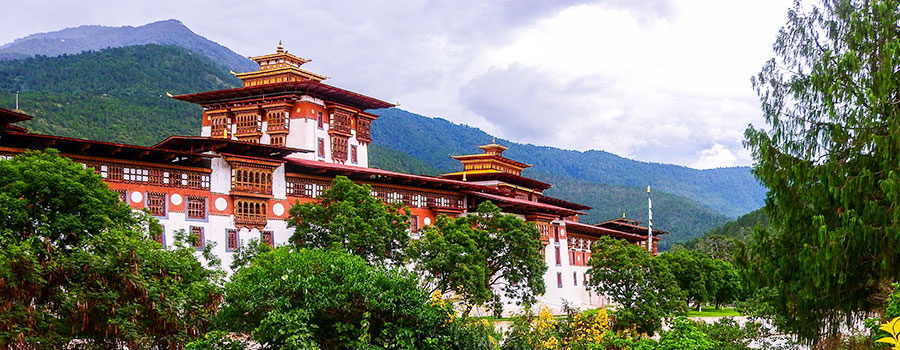
Start the morning with a walk across the suspension bridge to Khamsum Yulley Namgyal Chorten. The Queen Mother built this unique, multi-level temple for world peace. Later, we explore Punakha Dzong, a huge fortress sitting right where two major rivers meet.
Day 5: Journey to Paro and Viewing Rare Valley Murals
The highway brings us back to Paro to see some of Bhutan's best traditional art. We stop at Dumgtseg Lhakhang, a rare, dome-shaped temple with ancient murals inside. Its three floors represent different spiritual realms that you can see as you walk up.
Day 6: Trekking to the Iconic Cliffside Retreat
Start the steep hike up to Paro Taktsang, the famous Tiger's Nest monastery built right onto the cliff face. After hiking back down, we visit the ruins of Zuri Dzong for sunset. This spot gives you a great view of the whole valley and the airport below.
Day 7: Final Departures and Bidding Farewell
You can enjoy breakfast at your hotel with a view of the mountains. Your driver will help with your luggage and drive you back down to the border checkpoint.
Bhutan Entry Requirements for Indian Tourists
No Visa Required
Indian citizens can enter Bhutan visa-free, but a formal entry permit is required. You can apply for this paperwork online a few weeks before your trip, or obtain it directly at the border checkposts and Paro airport.
ID Requirements
Your Indian passport needs to have at least six months of validity left from the day you plan to return home. A valid, original voter identity card is also perfectly fine to use at the immigration desk if you do not have a passport.
Daily Tourist Fee
Daily travel in Bhutan involves a Sustainable Development Fee (SDF) of INR 1,200 per person, per night. Children aged 5 and under are exempt from this fee, while kids between 6 and 12 will have to pay half the price.
Insurance Recommendation
Travel insurance is no longer a mandatory requirement to cross the border, as Bhutan dropped the rule to streamline immigration. However, you must carry a basic health policy so that you do not get stuck with unexpected overseas hospital bills.
Detailed Spotlights on Bhutan's Lesser-Known Treasures
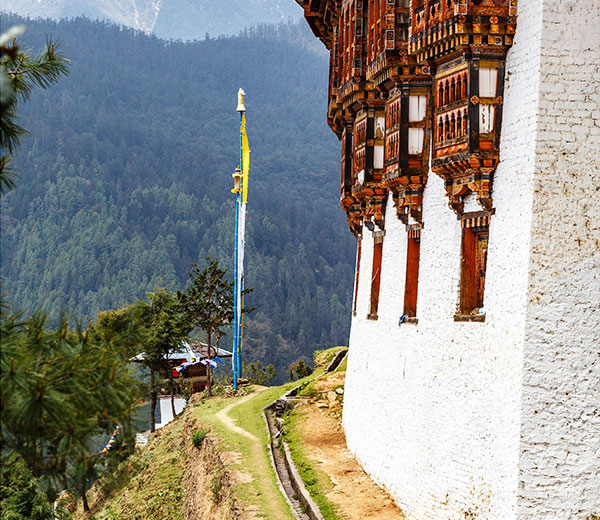
Tango Monastery
This is Bhutan's main university for higher Buddhist studies and holds several important relics. The two-hour hike up through the forest is filled with blooming pink rhododendrons if you visit in spring.
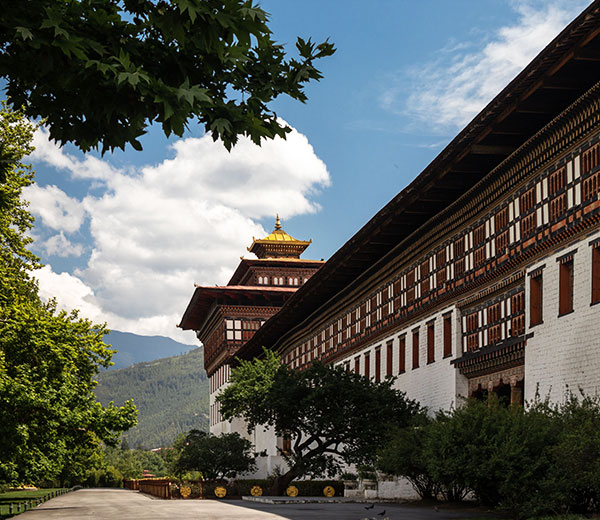
National Institute for Zorig Chusum
This school teaches young students Bhutan's 13 traditional arts, including slate carving and embroidery. Visitors can walk through the classrooms to watch the students practice these old techniques.
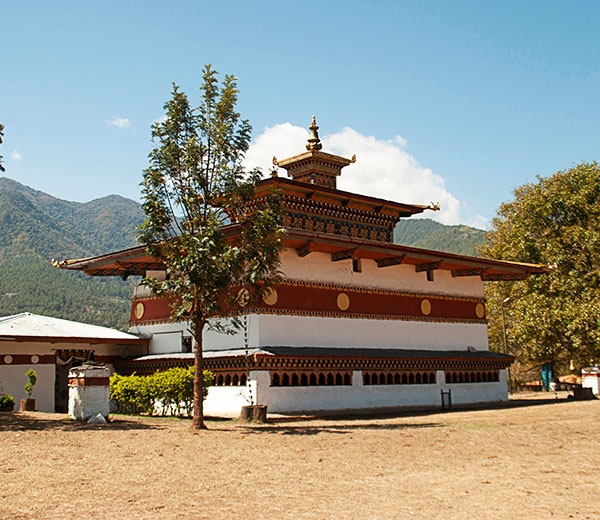
Dumgtseg Lhakhang
Built in the 15th century by a famous iron bridge builder, this unique temple is shaped like a stupa. Inside, you use butter lamps to see the well-preserved ancient murals in the dark rooms.
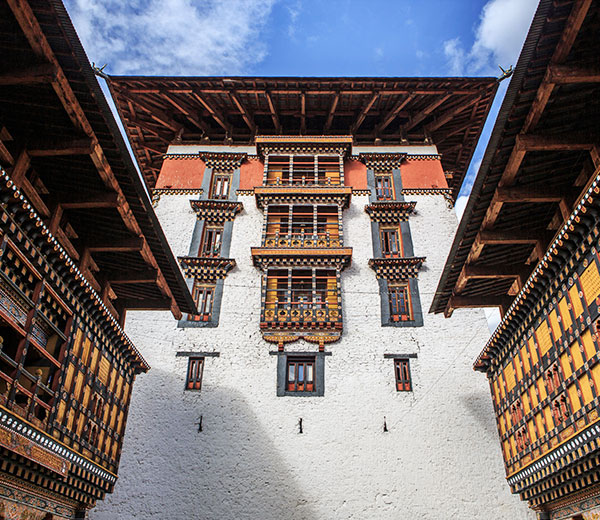
Zuri Dzong
Dating back to the 14th century, this five-story stone fortress is one of the oldest forts in Paro. The quiet trail starting from the National Museum is a great, uncrowded spot to take photos at sunset.
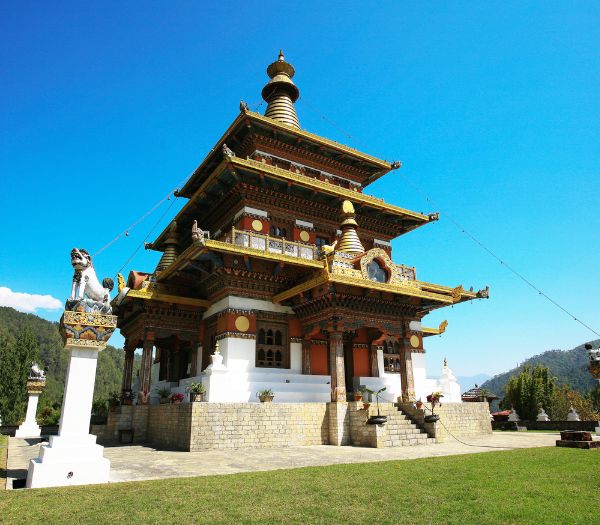
Khamsum Yulley Namgyal Chorten
This temple is a great example of modern Bhutanese architecture. The top terrace offers a great view of the northern valley and its winding rivers.
Transportation Options Provided by Bhutan Rental & Travel
Car Rental and Taxi Service
We provide a wide range of reliable vehicles that are in great shape for mountain driving. You can book anything from budget-friendly hatchbacks and sedans to heavy-duty SUVs or spacious multi-seater vans for larger groups.
Private Drivers
A private cab booking comes with an experienced local driver who knows these highways perfectly. This option lets you run on your own timeline, meaning you can pull over for breaks or photo stops whenever you want.
Public Transportation
Public buses are available and run between major towns, but they stick to rigid schedules and will not take you to specific viewpoints or off-the-beaten-path monasteries. A dedicated rental car is much more practical if you are traveling with family and want a smooth, comfortable ride.
Our Other Services
Bhutan Rental & Travel provides more than just transportation. We help you experience Bhutan with reliable car rentals, guided tour packages, taxi services, and convenient road travel options, all designed for a comfortable and worry-free journey.
- Bhutan Tour Packages
- Car Rental in Bhutan
- Car Hire Services in Bhutan
- Taxi Services in Bhutan
- Bhutan Tour By Road
Bhutan Travel Cost Guide
Your total trip budget depends entirely on where you stay, the car you pick, and how much you spend on shopping. The table below lists the average costs you will likely face while traveling through Bhutan.
| Expense Category | Estimated Cost | Details |
|---|---|---|
| Sustainable Development Fee | INR 1,200 per night | Mandatory government tourist levy. |
| Standard Hotel Room | INR 2,500 to INR 5,500 per night | Comfortable three-star hotels, usually with breakfast. |
| Daily Meals | INR 1,200 to INR 2,500 per day | Covers breakfast, lunch, and dinner at local cafes. |
| SUV Rental with Driver | INR 4,500 to INR 7,000 per day | Includes fuel costs and driver allowances. |
| Monastery Entrance Fee | INR 500 to INR 1,000 per site | Applies to major sightseeing spots like Tiger's Nest. |
Price Disclaimer: The rates mentioned above are subject to change based on seasonal demand and revised government regulations.
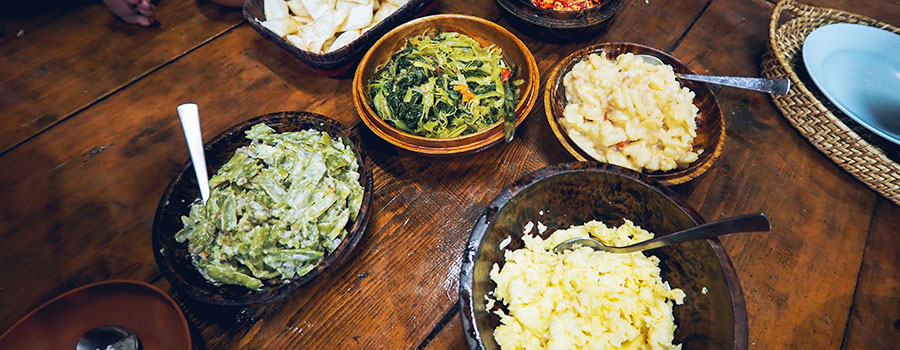
Bhutan Food Guide
Local food relies heavily on chilies and cheese. Unlike most cuisines where chilies are used just for spice, Bhutanese cooking treats them as a core vegetable.
Ema Datshi
This is the official national dish of Bhutan. It is a simple, spicy stew made from green chilies and a local farmer's cheese called Datshi.
Kewa Datshi
You should try this variation if you cannot handle too much spice. This dish swaps out the heavy chilies for sliced potatoes cooked in a mild, creamy cheese sauce.
Suja (Butter Tea)
This traditional drink is made by churning tea leaves, salt, and fresh yak butter. It has a salty, savory taste that takes some getting used to, but it keeps you warm in the mountains.
Momos
These steamed dumplings are incredibly popular across the country. You can find them at almost any local restaurant, usually filled with minced meat or cabbage mixed with cheese.
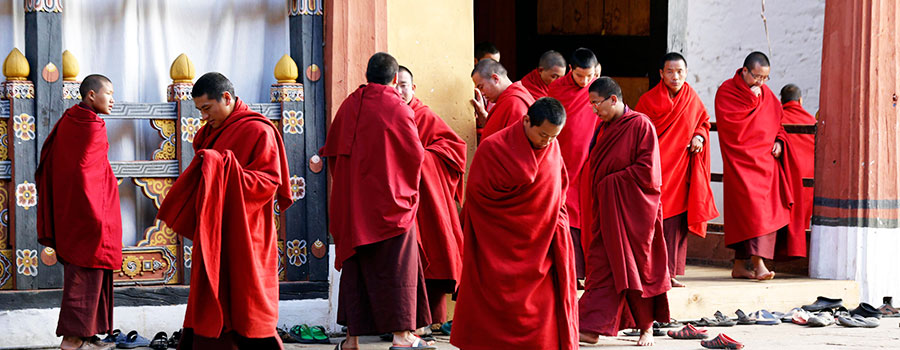
Bhutan Culture and Etiquette
Dress Code
Monasteries and Dzongs maintain a strict standard for visitors. You need to wear full-length pants or a long skirt, and your shirts must completely cover your shoulders and collarbones. Caps, beach shorts, and sleeveless tops will get you turned away at the gates.
Photography and Footwear
Shoes must come off before you step onto the wooden floors of any temple room. Cameras and phones are fine to use out in the sunny courtyards, but photography is completely banned the moment you cross the threshold into the inner shrines.
Prayer Wheels and Chortens
Local custom dictates that you always pass stupas, chortens, and prayer wheels on the left side, keeping them to your right. This ensures you walk around them in a clockwise direction, which is a simple way to show respect to local beliefs.
The Royal Family
Citizens hold the Bhutanese monarchy in incredibly high regard. You should avoid making casual jokes, political remarks, or careless comments about the King or religious figures, as locals take their respect for leadership very seriously.
Bhutan Travel Tips for First-Time
Altitude Sickness
High altitudes require a bit of patience, so take it easy on your first day to let your body adjust. A slow start helps prevent headaches and dizziness before you head higher up into the mountains.
Cash and Cards
Cash is the main way to pay for things across Bhutan, especially since local shops and small cafes rarely accept international credit cards. You should carry plenty of paper money in either Indian Rupees or Bhutanese Ngultrum.
Currency Exchange
Money values are the same here because one Bhutanese Ngultrum equals one Indian Rupee. This equal value means you can use cash from both countries interchangeably without doing any quick math at the counter.
Layering Clothes
Heavy jackets and light layers are both necessary because mountain weather changes fast. The sun feels quite warm during midday treks, but the temperature drops rapidly into freezing territory as soon as night falls.
Hydration
You should keep a reusable water bottle with you at all times to stay ahead of dehydration during long valley walks or steep climbs up to the monasteries.
Frequently Asked Questions
What are the permit requirements for driving to Bhutan?
International tourists must get an entry permit at the Phuentsholing border by showing a valid passport and booking confirmations. Indian travelers can use either a Voter ID card or a passport, along with an approved itinerary from a local travel agency.
How much is the Sustainable Development Fee (SDF), and what does it cover?
The Sustainable Development Fee is $100 (approximately INR 9,465) per night for most international visitors. Visitors with Indian passports pay a lower rate of 1,200 Indian rupees per night. This fee acts as a tourist tax that goes directly toward funding local healthcare, free education, and environmental conservation. It does not cover your hotels, meals, or guides.
What kind of clothes should travelers pack?
You should pack modest clothing like long pants, collared shirts, and long skirts that cover your knees and shoulders. It is also smart to bring a heavy jacket for the cold and slip-on shoes, since you have to take your footwear off before entering any temple.
When is the best time of year for a road trip through Bhutan?
The best months to visit are from March to May and from September to November. The weather during these months is pleasant, the skies are usually clear, and you can see wild rhododendrons blooming along the mountain passes.
Can international tourists drive themselves around the country?
No, foreign tourists are not allowed to self-drive in Bhutan. The mountain roads are narrow with sharp turns and sudden weather changes. Tourism rules require all international visitors to travel with a registered local driver and a certified guide.
How can travelers avoid altitude sickness?
Traveling slowly by road helps your body adjust to the higher altitude naturally as you move up from the plains. To stay safe, drink plenty of water during the drive, take it easy on your first day, and rest whenever you feel tired.
What currency is used in Bhutan, and can you use foreign cash?
The official currency is the Bhutanese Ngultrum, which has the same value as the Indian Rupee. You can easily use Indian rupee notes of 100 and below to pay for small purchases in most towns.
Are there rules against taking photos inside temples and forts?
You can take as many photos as you like of the outside architecture, courtyards, and landscapes around the dzongs. However, taking photos or filming videos inside the actual temple rooms and prayer halls is strictly banned.
What is the food like at local restaurants?
Traditional Bhutanese food is very spicy and relies heavily on chilies and cheese, with Ema Datshi (chili and cheese) being the national dish. Most tourist hotels serve buffet meals with milder versions of these local dishes, alongside standard Indian, Chinese, and Western options.
Do international mobile networks work along the main highway?
Your phone likely won't have service unless you pay for an expensive international roaming plan. It is much cheaper to buy a local tourist SIM card from TashiCell or B-Mobile at the border town for mobile data.